Research & Development
Applied AI R&D in consortia with universities, industry partners, and public institutions. From early feasibility analysis and dataset construction through to production-ready system deployment.
Sovereign AI systems for industry, culture, and public institutions — built at the intersection of economic precision and cultural intelligence.
Dr. Matias del Campo — Founder & CEO
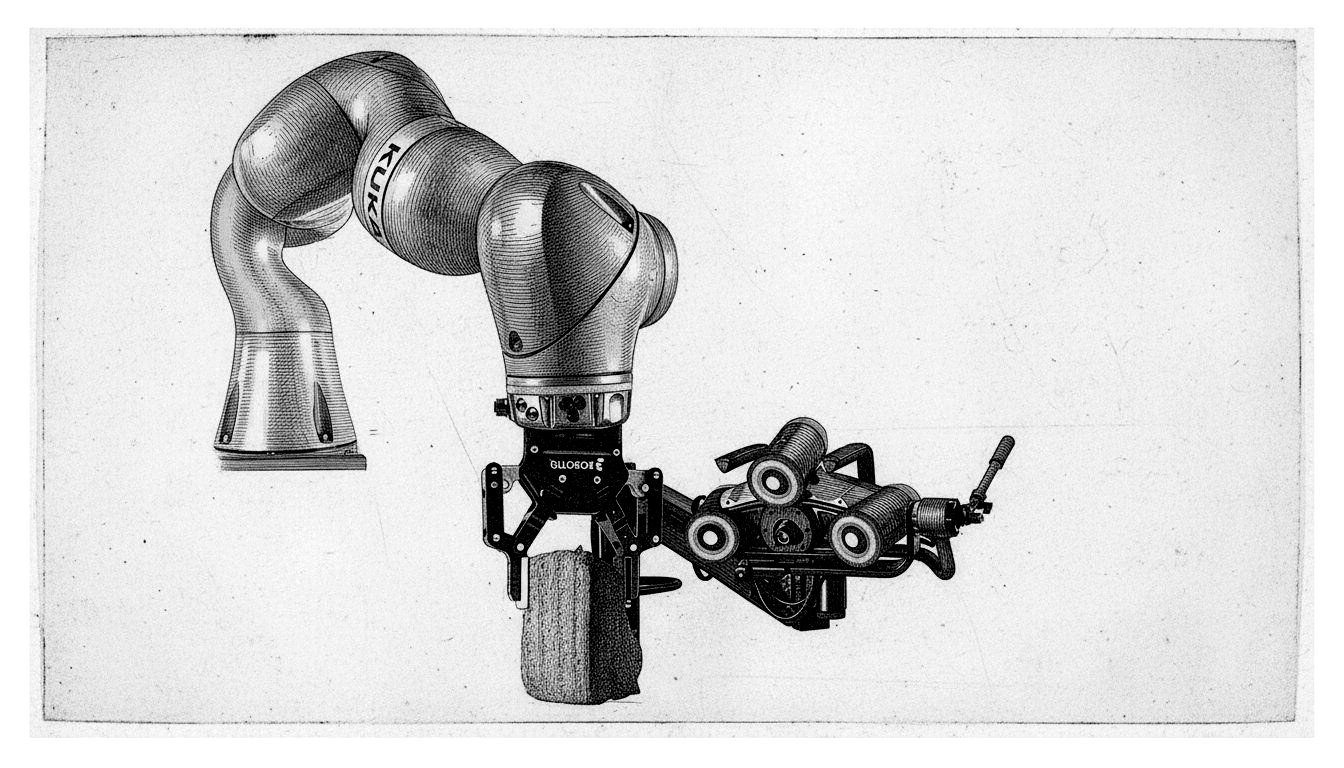 RUBINTEL — Robotic Intelligence for Circular Construction
Why AKI
Angewandte Künstliche Intelligenz GmbH — Vienna 2025
Every organisation deploying AI today faces the same fundamental question: what is AI actually doing, and who is responsible for what it produces? The prevailing industry answer — AI is a tool that makes things faster and cheaper — is correct, incomplete, and insufficient as a basis for serious deployment. AKI was founded on a more demanding premise.
Artificial intelligence is a cultural technique. Like writing, like perspective drawing, like the database, it does not merely process information — it reorganises how knowledge is produced, who has access to it, and what decisions become possible. Every model trained on data carries assumptions encoded in that data. Every output reflects a position. Every deployment generates consequences beyond the task it was designed to solve.
AI operates probabilistically, navigating vast possibility spaces to generate outputs no prior method could have reached — an instrument of discovery as much as of production. Applied with rigour across architecture, industrial process, heritage preservation, and logistics, it produces not only results, but entirely new territories of knowledge.
AKI builds systems at this level of ambition: grounded in technical precision, deep domain expertise, and explicit responsibility — for clients in industry, culture, and public institutions who require a smarter, more accountable form of intelligence.
AI as Cultural Technique
Every system encodes a position. We make that explicit — aligning technical capability with human values, cultural context, and long-term consequence.
Inference over Optimization
Probabilistic inference opens possibility spaces inaccessible to prior methods — generating new knowledge alongside new form, not merely accelerating existing processes.
Sovereignty by Design
Who controls the model controls the future. Data sovereignty is an architectural decision we make first — a structural commitment, not a compliance checkbox.
AI as Cultural Technique
Intelligence does not emerge from data alone — it emerges from culture. The systems we build carry assumptions, priorities, and blind spots. Making those visible is where the real work begins. Every deployment is also a statement of values.
The First 21st Century Method
The application of AI is the first genuinely 21st century design method. It does not optimize what already exists — it opens territory previously inaccessible to human intuition, producing form and knowledge from the latent structure of data itself.
Sovereignty by Design
Data sovereignty is not an afterthought — it is a structural decision. Who controls the model controls the future. We build systems where that control stays with those who generated the data, anchoring accountability in architecture rather than in policy.
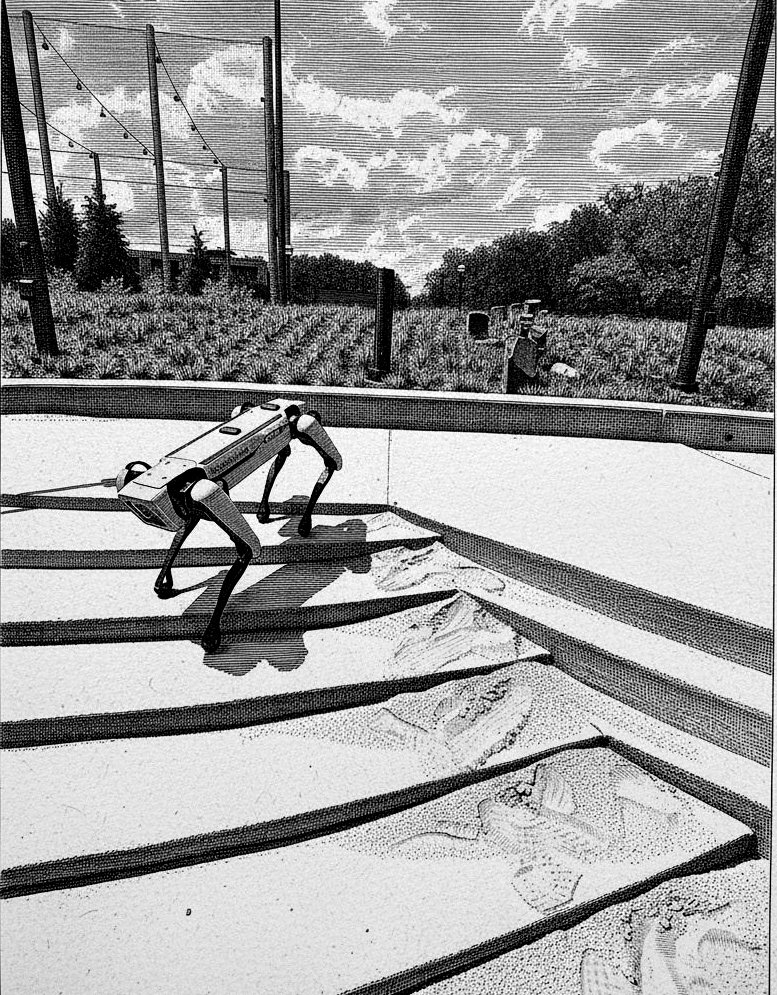
From construction site monitoring to heritage condition assessment — AKI develops AI systems that operate in complex, unstructured real-world environments, combining computer vision, sensor fusion, and predictive modelling.
Applied AI R&D in consortia with universities, industry partners, and public institutions. From early feasibility analysis and dataset construction through to production-ready system deployment.
Image-based analysis, damage classification, material recognition, and 3D reconstruction — non-destructive, in-situ, scalable. Photogrammetry, NIR spectroscopy, and thermal imaging with custom-trained neural networks.
Retrieval-Augmented Generation for complex knowledge domains — regulatory frameworks, compliance verification, technical documentation. Multilingual, auditable, and integrable into existing planning workflows.
AI-driven analysis and optimisation of industrial processes: sensor integration, spectral analysis, predictive modelling, and automated decision support — from production floor to maintenance scheduling.
Digital twins for buildings and infrastructure: IoT integration, real-time monitoring, automated anomaly detection, and predictive maintenance planning — data sovereignty built in from the outset.
Role-based access architectures and federated learning frameworks treating data control as a system design decision — sovereign AI infrastructure for organisations that cannot afford to cede control of their knowledge base.
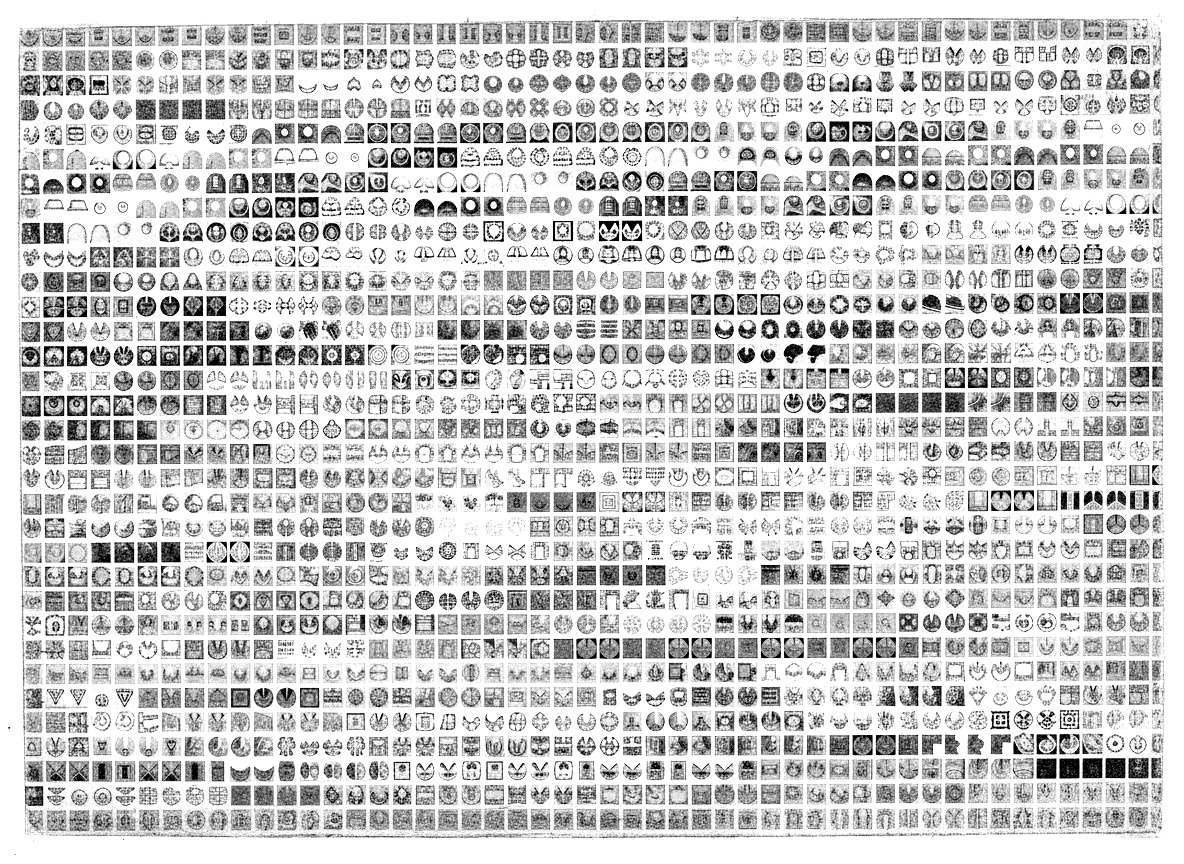
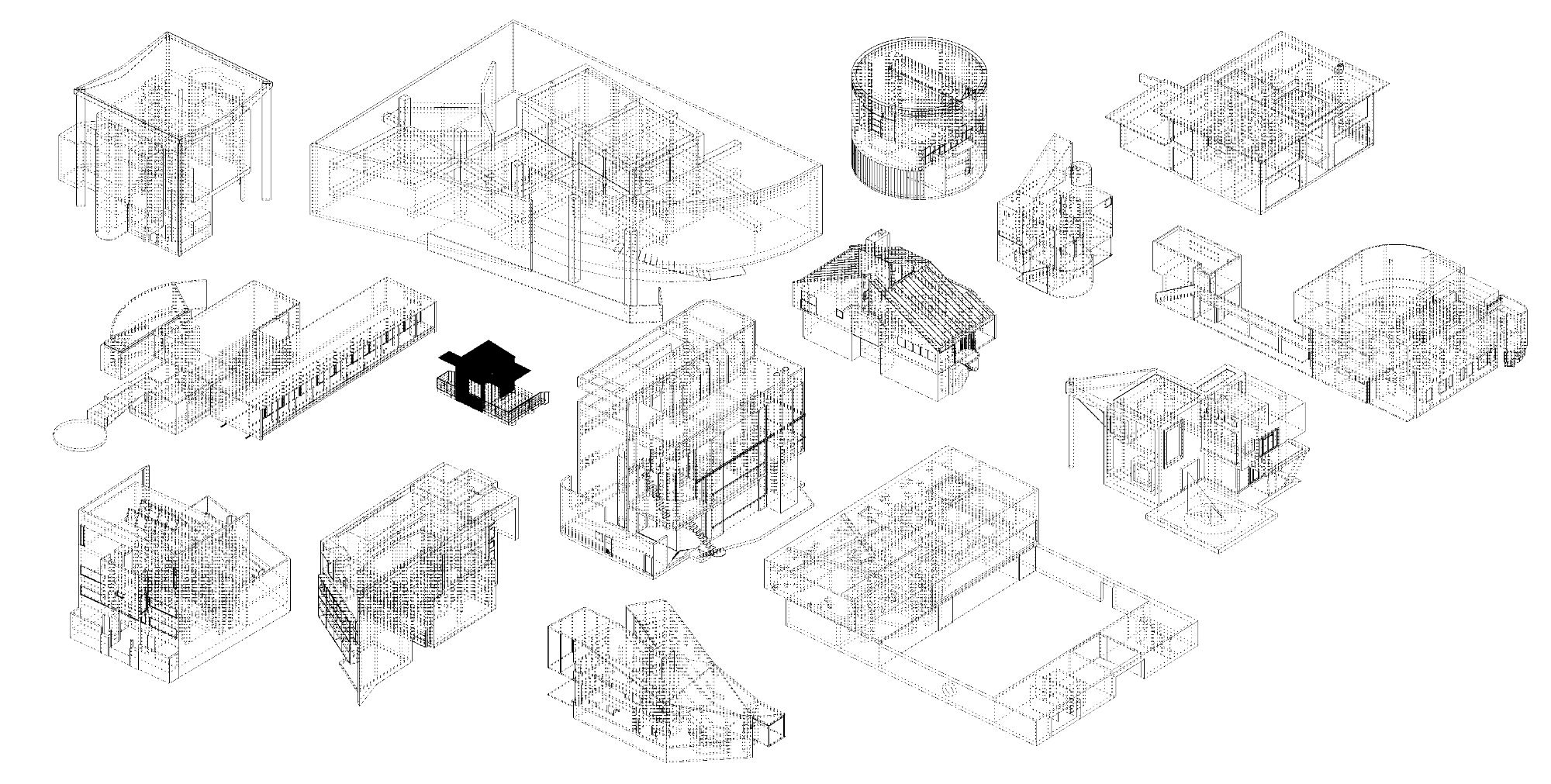
Wiley, 2024 · with Lev Manovich
AmazonArchitectural Design, Wiley, 2024 · Guest Editor
Architectural Design, Wiley, 2022 · with Neil Leach
AmazonTongji University Press, 2017 · with Sandra Manninger
Architectural Intelligence, Springer, 2022
IJAC, SAGE, 2021 · with Alexandra Carlson & Sandra Manninger
with Sandra Manninger, 2020
Architectural Design, Wiley, 2022 · with Sandra Manninger
ResearchGate, 2020
50+ cited articles, books, and book chapters
Dr. Matias del Campo is a Chilean-born Austrian architect, AI strategist, theorist, and author at the forefront of applied artificial intelligence. He is the Founder and CEO of AKI GmbH and co-founder of SPAN Architecture, a globally operating practice with offices in Vienna and Shanghai. A graduate of the Universität für angewandte Kunst Wien (M.Arch. with distinction, 2003) under Hans Hollein, he completed his PhD at RMIT Melbourne in 2018. His intellectual formation spans philosophy of science, critical theory, and computational design — informing a body of work that treats AI as a cultural technique, positioning machine learning alongside writing and drawing as instruments through which knowledge is produced and transformed.
His research spans machine learning, computer vision, generative systems, robotics, and data sovereignty — developed at leading research institutions and applied with industry partners, public institutions, and international consortia. As Founder and Director of AR²IL Laboratory at the University of Michigan, he established one of architecture’s first dedicated AI research labs, with concurrent appointments at Michigan Robotics and MIDAS. His publications — cited over 400 times across more than 50 books, papers, and edited volumes with Wiley, Springer, and ORO Editions — constitute the leading theoretical and methodological corpus on AI in architecture. In 2015 he received the Accelerate@CERN Fellowship from the Austrian Federal Chancellery. Works by SPAN are held in the MAK Vienna, MAXXI Rome, FRAC Centre, Pinakothek der Moderne Munich, the Albertina, and the Luciano Benetton Collection.
Founder & Director
Architecture & AI Laboratory — University of Michigan, Taubman College
Affiliate Faculty & PhD Advisor
Michigan Robotics
Michigan Robotics Institute — PhD advising in Robotics & Computer Science
Affiliate Faculty
MIDAS
Michigan Institute for Data & AI in Society — University of Michigan
Ph.D., RMIT Melbourne 2018 · M.Arch. (Distinction), Universität für angewandte Kunst Wien 2003
Accelerate@CERN Fellow · AIA Studio Prize · Board of Directors, ACADIA · Board, IJAC
Collections: MAK Vienna · MAXXI Rome · FRAC Centre · Pinakothek der Moderne Munich · Albertina · Luciano Benetton Collection
Start a
conversation
Whether feasibility study, research partnership, industry mandate, or strategic consultation — specific inquiries and open questions are equally welcome.
Founder & CEO
Dr. Matias del Campo
Location
Vienna, Austria
Research Partners
AR²IL Laboratory, University of Michigan
Michigan Robotics Institute · MIDAS
TU Wien — CAAPE
GitHub